
Understanding Tenant Roof Rights in Commercial Leases
Commercial roof disputes in Indiana often stem from vague lease terms, but state law clearly defines the roof as part of the structural envelope, making it the landlord’s responsibility even in triple net leases. Addressing roof issues early and communicating clearly protects both tenants and landlords from costly damage, legal risk, and business disruption.
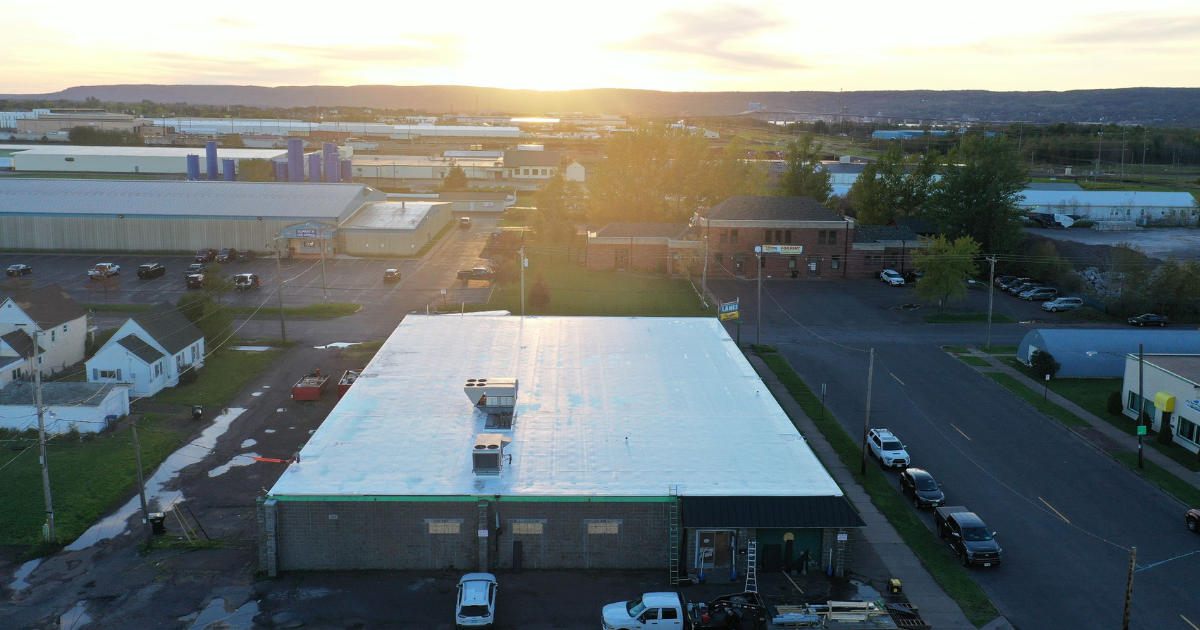
🔲 Under Indiana law, the roof is a core structural component landlords cannot offload
🔲 Tenants handle routine maintenance, but landlords remain legally responsible for structural repairs
🔲 Ignored roofs can cause health hazards, higher costs, and legal liability for both sides
🔲 Clear records, professional notices, and early dialogue prevent disputes from escalating
You're running your business, doing everything right and then water starts dripping from the ceiling. You call your landlord, and they point to some vague phrase like “structural envelope” buried in your lease. Suddenly you're stuck in a gray area where no one wants to take responsibility.

This situation happens far more often than it should, especially in commercial properties with triple net leases (NNN). That’s why understanding your roofing rights, landlord obligations, and Indiana’s commercial leasing laws matters before a leak becomes a lawsuit.
The Hidden Risk in Triple Net Leases
Triple net leases are often presented as simple. Tenants handle day to day maintenance. Landlords handle big structural items.
In theory, that division is clear. In reality? Not so much.

When the roof leaks, each side often points to the other, claiming the issue isn’t “their responsibility.” And when the lease uses broad terms like “structural envelope,” the disagreements get worse.
This is why clarity matters long before the roof fails. Roof disputes aren’t just about shingles and membranes, they’re about legal obligations, property value, business continuity, and safety.
What "Structural Envelope" Means Under Indiana Law
According to Indiana Code 32-31, the building’s structural envelope includes four main components. Roof structure and roof covering, foundation, load bearing walls and floor or ceiling assemblies between stories. Notice what appears first on the list? The roof.
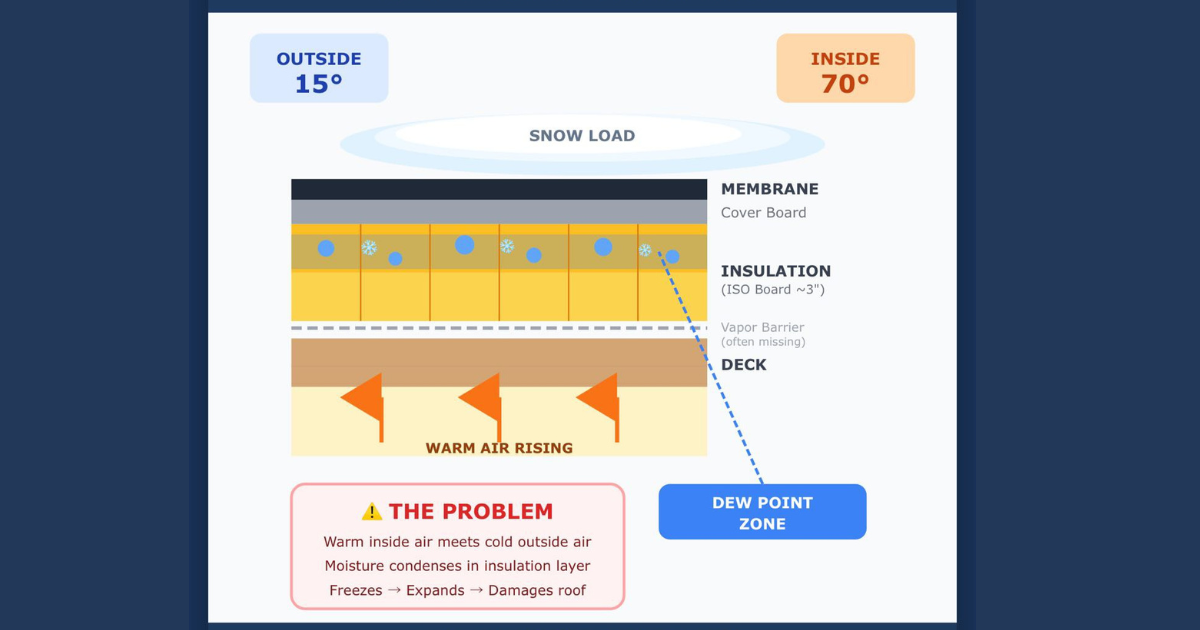
The roof isn’t cosmetic. It’s part of the building’s essential structural system, “the frontline of defense against the elements,” as many roofing professionals describe it.
And here’s the key point for both tenants and landlords, a triple net lease does not waive the landlord’s responsibility for structural components.
Even when tenants maintain many aspects of the building, Indiana law does not allow landlords to offload core structural duties through lease language.
Why Ignoring Roof Problems Hurts Both Tenants and Landlords
Letting roof problems slide creates serious risks for both tenants and landlords.

Tenants can face dropped insurance coverage when the roof becomes uninsurable. Mildew that affects air quality and even forces business shutdowns during remediation. Structural sagging that compresses insulation and leads to dangerous water ponding. Energy costs can spike 20 to 25% compared to modern reflective roofing. Older roofs often rely on outdated, non fire rated membranes, some not updated since the 1990s.
For landlords, the consequences are just as costly, property values decline, lawsuits build up, quality tenants move out, and the building begins to deteriorate far faster than expected.
A failing roof isn’t just a maintenance problem, it’s a safety, health, and financial liability.
The Legal Backing Every Indiana Landlord and Tenant Should Know
Roof disputes often hinge on what the lease says but Indiana courts have been clear that certain responsibilities cannot be waived.

In Wurster v. Pentzer Printing Co., The Indiana Court of Appeals held that landlords cannot disclaim responsibility for core structural components. The court explicitly includes the roof as part of the structural envelope.
Indiana Code 32-31-8-5 requires landlords to keep rental premises in a safe and habitable condition. Obligations that cannot be contracted away, even in commercial leases.
The Indiana Supreme Court confirmed that landlords remain responsible for capital improvements in triple net leases. A roof replacement qualifies as a capital improvement.
This section provides general information, not legal advice. Always consult a licensed attorney for your specific lease or dispute.
A Health Department Angle Most People Miss
Roof leaks aren’t solely a landlord tenant issue. In places such as Lake County, Indiana, severe water ponding can lead to mold and mildew spreading within ceiling cavities, structural decking deterioration and indoor air quality concerns.
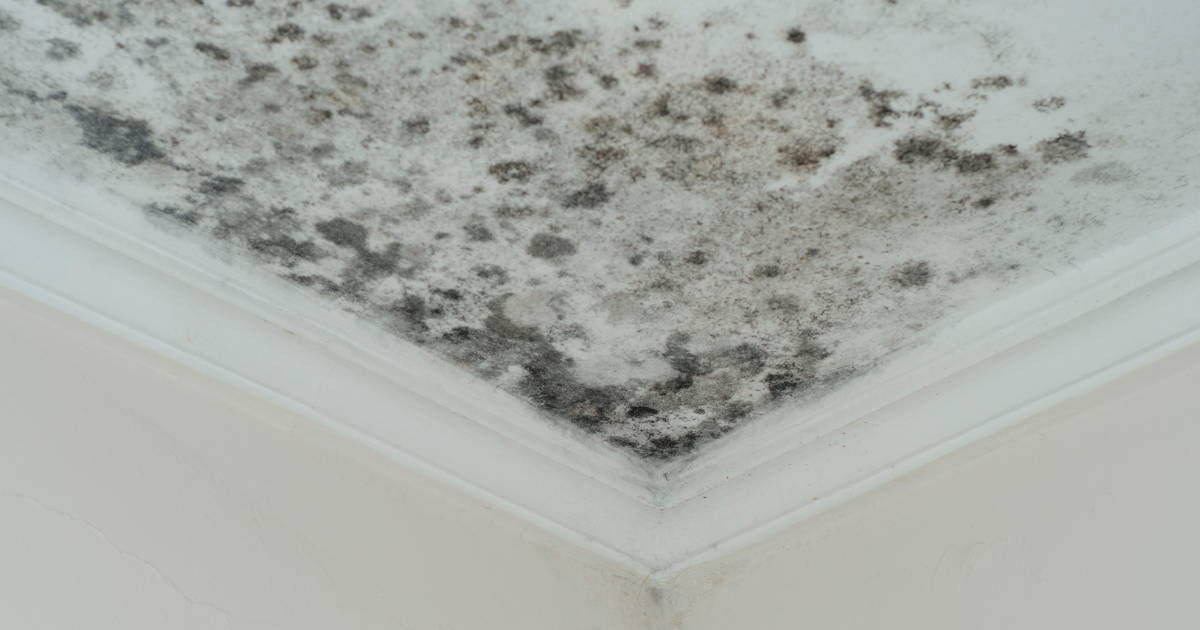
At that point, the local health department may require inspections or remediation. This is no longer just a “roofing issue”, it becomes a public health and safety matter.
A Better Path, Clear Communication and Proper Documentation
Legal disputes rarely help anyone. A practical, respectful approach works better for long term relationships.

A simple communication strategy can include documenting leaks, damage, and prior roof conditions. Referencing lease language and Indiana structural envelope law. Sending a professional notice letter, firm but not aggressive. Requesting timely inspection and repair. Encouraging both sides to involve counsel early, not after damage worsens.
A well written letter often resolves the issue peacefully. It’s not a threat, just a clear, documented way to say, “We both signed this lease. Let’s follow it. Here are the facts. Let’s fix this correctly and respectfully.”
Real Talk About Responsibility
One line sums up how many seasoned property managers and roofing professionals feel, “We just have to face our responsibilities in life. We signed up for this. Responsibility is real.”

Landlord tenant relationships don’t need to be contentious. Most problems come from unclear expectations, poor communication, or avoiding a repair until the problem becomes expensive.
Attitude matters as much as legal wording.
What It All Means For You
Whether you’re a commercial tenant dealing with a leaking roof or a landlord trying to stay compliant, knowing what “structural envelope” means and how Indiana courts interpret it, can save money, stress, and relationships.
The bottom line is the roof is a structural component under Indiana law. Landlords cannot shift structural responsibilities to tenants through triple net lease language. Addressing roofing issues early protects business operations, property value, and legal standing. Clear communication prevents conflicts and keeps everyone operating smoothly.
Roof disputes don’t need to turn into legal battles. With the right information, documentation, and approach, landlords and tenants can resolve issues fairly, before small leaks become major liabilities.
Have You Faced Commercial Roof Disputes?
Your experience might help someone else avoid a costly mistake. Understanding how commercial roofing, Indiana lease law, and triple net lease obligations interact can make the difference between a simple repair and a full blown legal conflict.
Read other blog:


We Love Conversations
 SoHelpful@PristineIndustrialRoofing.com