
Who Depends on the Roof You Are Ignoring?
Commercial roof preventive maintenance keeps tenants dry, employees safe, and your budget out of emergency territory.Here is what deferred roof maintenance actually costs, and what a real maintenance checklist looks like.

- Most roof damage traces back to three preventable causes. HVAC service, careless patch jobs, and unrelenting Northwest Indiana weather.
- Waiting never makes a roof problem cheaper. It only changes who pays for it, and how much worse the bill gets.
- A real maintenance plan is logged, not glanced at. Cleanings, pinhole detection, drainage checks, documented every visit.
- Freeze-thaw, ponding, and lake wind hit local roofs hardest. Hammond, Portage, Hobart, and Merrillville need a plan built for this climate, not a generic one.
You do not think about the roof. Nobody does, until it fails.
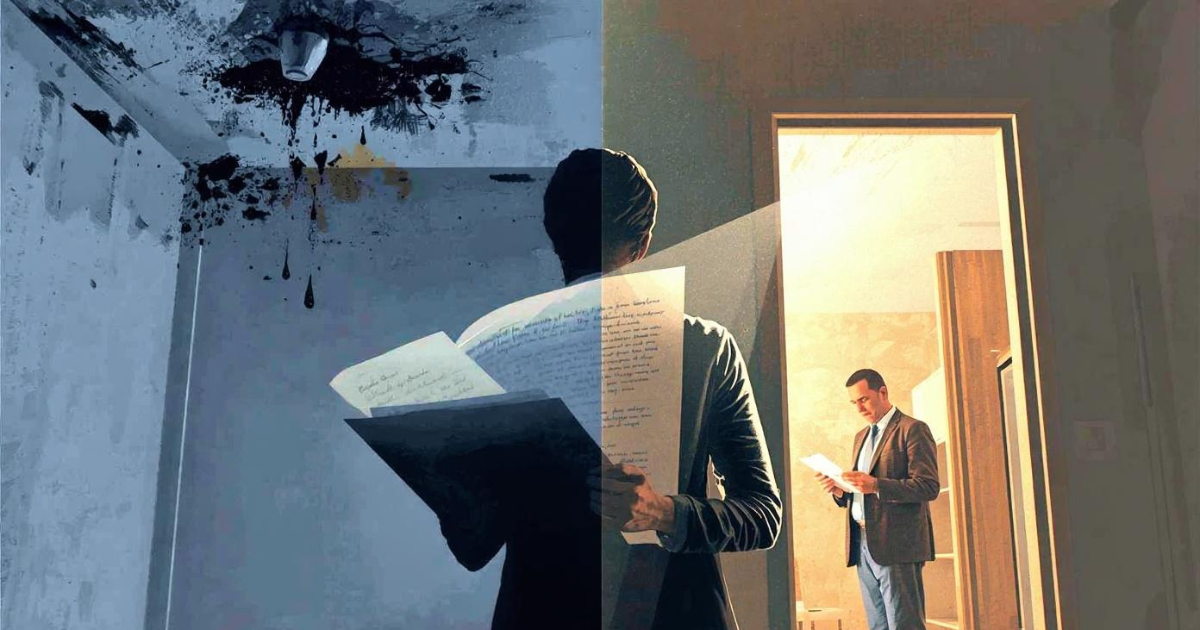
But someone is standing under it right now. A tenant paying rent on time. An employee finishing a shift. A customer who expects the lights to stay on and the ceiling to stay dry. Every one of them is depending on a roof you have not looked at since it was installed.
That is the part building owners skip past. The roof is not an expense line. It is a promise to everyone underneath it, whether anyone ever says that out loud or not.
Frequently Answered Questions
Q: Do you guys just patch, or actually prevent?
A: We are prevention specialists. Patches are a stopgap that buys time and nothing more. A real preventive maintenance plan installs permanent protection and stops problems before they start, with a documented log to prove exactly what was done.
Q: Is commercial roof preventive maintenance really worth the investment?
A: Yes, because the alternative is always more expensive and always less predictable. Scheduled maintenance turns roofing into a planned expense you control, instead of an emergency that controls you.
Q: Can we just wait until next year?
A: Every stretch of delay adds risk and adds cost. A small, manageable issue ignored through one more season rarely stays small, and it almost never gets cheaper to fix the longer it sits.
Q: What are the real consequences of ignoring a commercial roof?
A: Unprotected roofs fail without much warning. That failure creates liability exposure for tenants and employees, operational shutdowns, and expenses that blow through budgets that were never built to absorb them.
Q: How much does routine maintenance actually extend a roof's life?
A: A documented cleaning and inspection program meaningfully extends a roof's working lifecycle, simply by catching small problems while they are still small and inexpensive to correct.
Q: What should be on a real commercial roof maintenance checklist?
A: Routine cleaning of drains and scuppers, early pinhole detection, drainage and ponding checks, and a written maintenance log every single visit. Skip any one of those and you are not maintaining the roof. You are just looking at it.
✉️ Get your roof evaluated before the next storm decides for you.
Curious what your specific building's risk actually looks like? Share your address and we will walk the roof, check the corners, the drains, and every flashings, and tell you exactly where you stand before we recommend anything at all.
Subject Property Address: ___________________________
[ Email address ] → [ Send Me the Real Stuff ]
Meet the Villains Actually Destroying Your Roof
Nobody sabotages a roof on purpose. The damage comes from three familiar directions, and all three are preventable if someone is actually watching for them.
The AC tech is first. A large share of emergency calls come in not long after HVAC service. Heavy equipment scuffs the membrane, a dropped tool punches a hole, a flashing gets sealed carelessly or not at all. Nobody notices until water shows up on a ceiling tile weeks later, far from where the actual damage happened.
The ten dollar caulk gun is second. A maintenance guy with good intentions and no roofing training seals a crack the wrong way. That patch traps water underneath instead of keeping it out, which is worse than doing nothing at all. Given enough time, the trapped water rots the deck underneath, and a small, cheap fix turns into a full structural repair.
Mother Nature is third, and she does not take days off. Northwest Indiana runs brutal Summers and unforgiving Winters back to back, with almost no gentle season in between to let a roof recover. Add UV radiation, standing water, and acid rain, and the roof is under attack in every season, whether anyone is paying attention or not.
The Sarcasm Line Nobody Wants To Hear
Here is the honest question. What is your current maintenance plan actually maintaining? Because if the answer is "we look at it from the parking lot twice a year," you are not maintaining anything. You are hoping.
Hope is not a roofing strategy. Bill knows this better than anyone. He is the one who signs off on the plan, and he is the one whose name ends up attached to the liability the day a tenant's ceiling caves in during a storm rolling off the lake.
A real commercial roof preventive maintenance program is not a drive-by glance out a car window. It is scheduled cleanings, documented pinhole detection, drainage checks, and a maintenance log that shows an inspector, an insurer, or a judge exactly what was done and when it was done.
Anything less than that is decoration. It looks like a maintenance plan. It does not act like one.
The Deferred Maintenance Cost Math, Laid Out Plainly
This is the section worth forwarding to whoever else signs off on your budget.
A proactive fix, caught early, costs a fraction of what the same problem costs once it becomes an emergency. That is not a marketing line. It is how every deferred repair in this industry actually plays out, because a small issue caught during a scheduled visit is cheap and quiet, while the same issue discovered during a storm is expensive and loud.
A small crack ignored through one season does not stay small. It widens with every freeze, every thaw, every stretch of standing water that sits a little longer than it should. By the time it announces itself as a stain on a ceiling tile, the roof has usually been failing quietly for far longer than anyone realized.
Deferred roof maintenance cost is not just the repair bill either. It is the business interruption while a crew works overhead. It is the tenant who has to relocate for a week. It is the inventory that gets ruined before anyone notices the leak. Add all of that up and prevention stops looking optional and starts looking like the only responsible choice on the table.
Meg, if you are the one who has to make this case upstream, that is the whole argument in one sentence: waiting never makes a roof problem cheaper. It only changes who ends up paying for it, and how much worse the bill gets by the time someone finally does.
Timothy is the One Who Actually Feels It
Every deferred repair has a face attached to it, and it is rarely the owner's.
Timothy is the tenant a few floors down from the leak. He is the one who shows up to a flooded stockroom, a ruined ceiling tile over his desk, or a closed sign on the door while repair crews work overhead and his workday disappears. He did not defer the maintenance. He just lives with the consequences of someone else's decision to wait.
A roof that fails does not just cost the owner money. It costs Timothy his workday, his inventory, sometimes his patience with the whole building. Protecting the roof is protecting every person who depends on that building being dry, safe, and open when they show up expecting it to be.
That is the part that gets lost when maintenance decisions get made purely on paper. Somewhere underneath every roofing budget line is a real person whose day gets wrecked when the roof loses.
What Northwest Indiana Actually Throws at a Flat Roof
This region does not go easy on a commercial roof. Property managers in Hammond, Portage, Hobart, and Merrillville already know this from experience, storm season after storm season, year after year.
Freeze-thaw cycles crack brittle membranes that were never built to flex. Ponding water sits after a storm and never fully drains before the next one arrives, softening whatever it touches for longer than it should. Wind off the lake goes hunting for a loose corner or a weak seam, and it does not stop looking until it finds one.
A roof serving a building in Merrillville sees a different beating than a roof in a milder, gentler climate, and it needs a maintenance plan built for that specific reality. A generic checklist copied from a warmer region is not built for what this area actually does to a flat roof, and pretending otherwise is how small problems turn into large ones.
Winter here does not politely wait for a break. It keeps working on a roof every week it is in charge, whether the building is occupied, empty, brand new, or decades old.
What a Real Commercial Roof Maintenance Checklist Covers
A maintenance program worth paying for hits the same points every single visit, and it hits them on a schedule instead of a whim.
Routine cleaning comes first, clearing debris, drains, and scuppers before ponding water gets a chance to sit and soften anything underneath it. Early pinhole detection comes next, catching a tiny problem while it is still tiny, long before it becomes a stain spreading across a ceiling tile. Drainage checks follow close behind, since standing water is one of the fastest ways to age a membrane well past its intended life.
Every visit gets logged, in writing, with dates and findings attached. That maintenance log is not paperwork for its own sake. It is the document your insurer wants to see after a storm, and it is often the difference between a warranty claim that gets honored and one that gets denied over a technicality nobody thought to track.
Skip any one of these steps and the plan is decorative. All of them together, done consistently, are what actually extends a roof's working life by years instead of leaving it to chance.
What Happens When Maintenance Keeps Getting Pushed To Next Year
"We'll get to it next year" is one of the most expensive sentences in commercial property management, and almost nobody realizes it in the moment they say it.
Weather damage does not wait for your budget cycle. A small issue ignored through one more Winter does not stay small. It compounds, the way ice compounds in a crack, a little wider with every freeze, until the crack becomes a leak and the leak becomes an insurance claim nobody wanted to file.
Ignoring a roof does not make the roof forget you exist. It just means the next call is an emergency call, on someone else's timeline instead of yours, at the worst possible moment for everyone standing underneath it.
The Bottom Line
Someone depends on the roof over their head every single day, whether you are thinking about it or not. Bill signs off on the plan. Timothy lives with the leak when the plan fails. Meg is the one who forwards this to whoever can actually approve it.
Deferred roof maintenance does not save money. It postpones a bigger bill and adds interest in the form of a ruined ceiling, a frustrated tenant, and a repair crew working under emergency conditions instead of a calm, scheduled visit.
Prevention is not the exciting choice. It is the responsible one, and it is the one that keeps everyone under your roof exactly where they should be: dry, safe, and never thinking about the roof at all.
✉️ Everyone under this roof is counting on you. Let's make sure the roof is counting on us.
Let's make sure your roof is doing its job before the next storm.
Subject Property Address: ___________________________
[ Email address ] → [ Send Me the Real Stuff ]
Read other blog:

We Love Conversations
 SoHelpful@PristineIndustrialRoofing.com